
They Ran Anyway by Chantal Miller
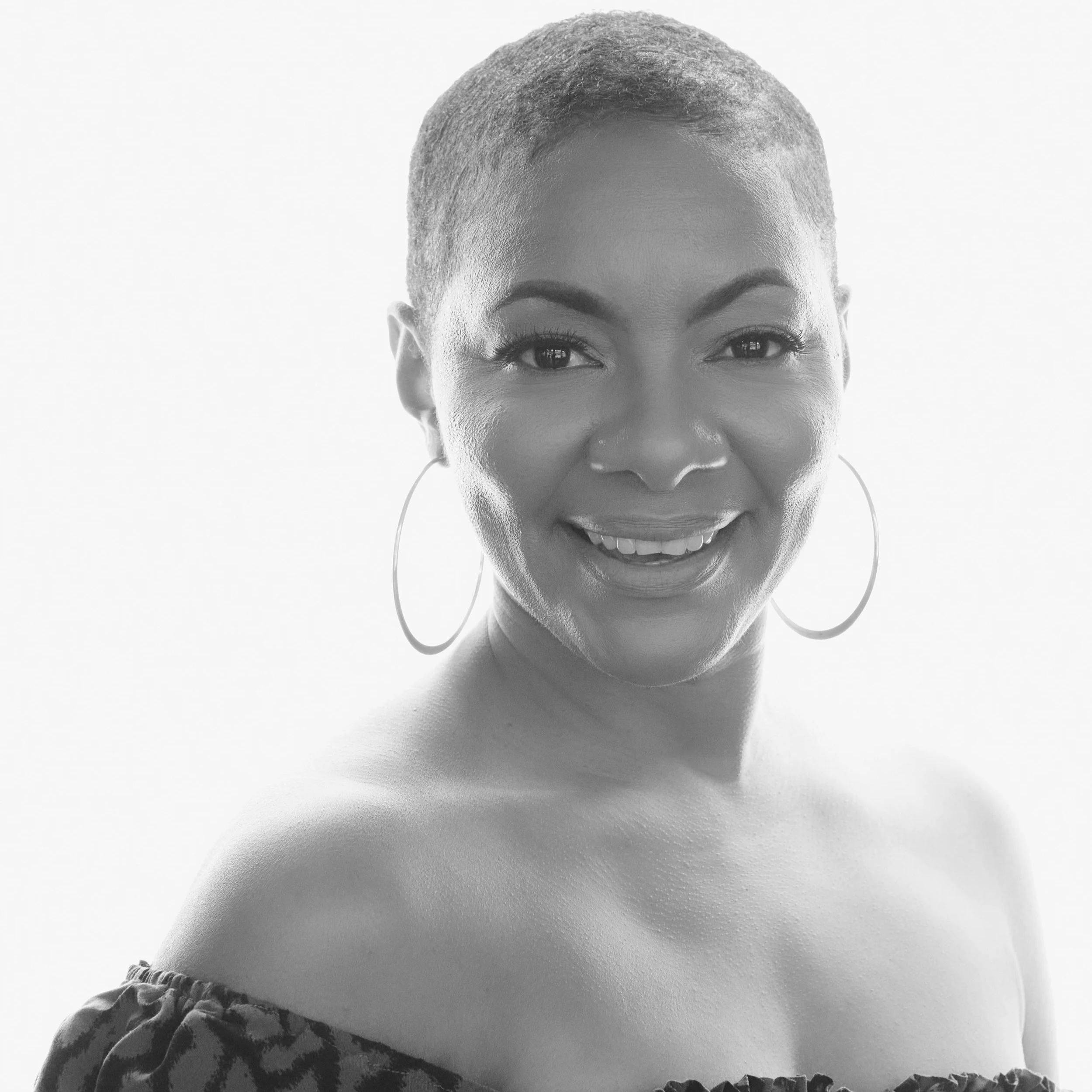
Chantal Miller - Founder, Island Girls Rock
Recently, at the Nevis Interprimary School Championship, a day that belongs entirely to our children, a commentator decided that some of the girls running the Grade 6 800 metres were not worth taking seriously. Not because of their times, not because of their technique, but because of the size of their bodies.
He told the stadium there were only four real competitors in the race. The others, he implied, were too big to matter. And when he was seemingly challenged, his response was this: "I apologise if I offended anybody, but this race needs a different body habitus." Which is not an apology at all, really. It is a defence.
Those were Grade 6 girls. Eleven and twelve year olds who woke up that morning, put on their school colours, stood on that track and ran with everything they had, for the love of their schools and the joy of the race. And a grown man with a microphone decided, in front of their community, that their bodies were the wrong shape/size to belong there.
That is not commentary. That is harm.
I have been told that the commentator is a doctor, and I truly hope that is not the case, because a medical professional more than most should understand what public commentary about a child's body does to that child. The research on body image and early adolescence is not ambiguous on this. Eleven and twelve is precisely the age at which girls begin to internalise messages about their bodies most deeply, messages that without intervention, they carry with them for the rest of their lives. We see the evidence of this not in statistics alone but in the lived experience of Caribbean women every single day. We see it in how girls learn to make themselves smaller, how they stop raising their hands and stop taking up space and stop showing up, how the fearlessness that once came naturally gets quietly replaced by the habit of apology. Disordered eating, anxiety, a broken relationship with the body that houses them. Body shame planted in girlhood grows deep roots, and it does not disappear when the race ends.
What we also know, and what must be said clearly, is that body size has never determined who can run.
Caster Semenya is a two-time Olympic gold medallist and three-time World Champion in the 800 metres, the same event, the same distance those Grade 6 girls ran yesterday. For much of her career the world spent more time debating the shape and nature of her body than celebrating what she could do with it on a track, with governing bodies questioning her, competitors questioning her and the public debating her as though her right to run was somehow up for discussion. And through all of it, she ran, and she won.

Caster Semenya
The commentator's logic does not survive contact with reality.
To the girls who were on that track and who may have heard those words: You are not too much, and you are certainly not the wrong shape. You earned your place on that starting line and every stride you ran was valid and powerful.
To event organisers and schools, we ask that this be addressed directly and formally, and that clear standards be put in place for who is handed a microphone at events involving children. Words said at a children's sporting event are not neutral. They land, especially on little girls, and they stay long after the track has been packed away.
Island Girls Rock was founded on the belief that Caribbean girls deserve to grow up in communities that hold,celebrate and protect them, all of them, in every shape and size and at every pace. That belief is what brought us here, and it is what will keep bringing us back.
Every body belongs on that track. Every girl deserves to run free.
Chantal Miller is the Founder and Creative Director of Island Girls Rock, a storyteller, curator and podcast host based in Nevis. She is a midlifer, a voracious reader, a newly qualified aquafit instructor, and is very much still becoming…